Whoa!
I remember the first time I lost access to a wallet — my gut dropped. My instinct said I’d ruined years of small bets and late-night trades, and for a few hours I felt like an absolute amateur. Then I found a backup I’d scribbled on a napkin, folded into a wallet, and miraculously still legible. Relief. Panic. Relief again. That cocktail stuck with me.
Here's the thing. Seed phrases are clever. They work. But they’re fragile in real-world hands. Paper rots. Typographical errors happen. People misplace things. And honestly? Most users treat a 12- or 24-word list like a nuisance to tuck away instead of the lifeline it actually is.
Short version: somethin' needed to change.
On one hand, mnemonic seeds are the foundation of decentralized custody. Though actually, on the other hand, they’re also one of the biggest UX and security flaws in crypto adoption. Initially I thought the answer was education — teach users to be more responsible — but then I realized human behavior rarely follows neat tutorials. People are busy. They travel. They spill coffee.
So what if the key to mass adoption isn’t better instructions, but better form factors? What if the "seed" could be a card in your pocket rather than a fragile scrap hidden in a coffee can?
From Paper to Plastic: Why Smart Cards Make Sense
Short answer: they blend usability and security in a way that people actually use. Seriously?
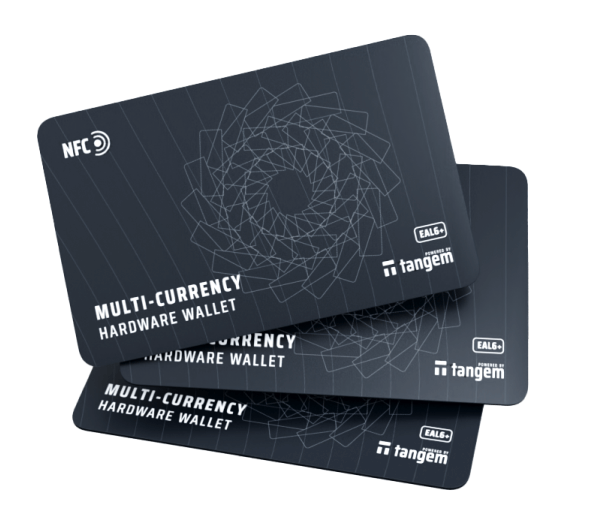
Smart cards are small, portable, and familiar — think hotel keycards or contactless transit passes. Medium sentence here to expand: they slot into existing behaviors and don't demand a sudden lifestyle change. Longer thought that ties them together and goes a bit deeper — these cards can hold private keys in a tamper-resistant secure element, which means you never expose the raw secret to a phone or laptop; instead, the device signs transactions on-card and only outputs a signature, preventing the key material from leaking even if your host device is compromised.
That design choice alone removes a huge class of threats. But there's more — the interface can be as simple as tapping your phone, or inserting the card into a reader. No typing long strings of words. No copying and pasting into a shady website and regretting it later.
Check this out — when companies build a smart-card wallet right, they can also offer multi-currency support and on-card derivation for multiple accounts, which matters to real users who own multiple assets. I'm biased, but having everything accessible through one tiny piece of plastic feels way more modern than juggling dozens of paper backups and password managers.
Real Use Cases: When a Card Wins
On my travels, I've seen three user archetypes who benefit the most: travelers, everyday investors, and institutions managing modest portfolios. Travelers benefit because the card fits a passport wallet; everyday investors appreciate the simplicity; institutions like the audit trail and physical custody properties. A medium sentence to explain a nuance: institutions often pair cards with multisig workflows, which raises the bar for attackers without making operations a nightmare.
Longer reflection: on field tests, people preferred a physical artifact they could hold and hide, rather than an abstract string of words, and the reduced cognitive load led to fewer user mistakes and less risky shortcuts like saving seeds as plain text on phones.
Oh, and by the way... cards can be made with recovery options that aren’t seed phrases.
Seed Phrase Alternatives That Actually Work
Really?
Yes — think of methods that maintain decentralization and user control without forcing a fragile human memory test. One approach uses secure elements to store a private key directly and pairs that with a straightforward PIN or biometric unlock. Another approach uses NFC cards that can perform cryptographic operations, while a cloud-based encrypted backup holds only an encrypted blob that is useless without the card's hardware key. Both options feel intuitive and reduce single points of failure.
My instinct said backups would become more complicated, but the opposite happened: because the primary security moved to hardware, backups got simpler and less error-prone. Initially I feared centralization trade-offs, but careful design preserves non-custodial control while improving recoverability and day-to-day usability.
And yes, some people worry about losing the card. Totally fair. The pragmatic answer is redundancy: multiple cards, distributed physically (not all in one drawer), combined with clear but non-technical instructions for emergency access. Make it part of your routine like insurance paperwork. Not sexy, but works.
Where Tangem Fits In
Okay, so check this out — one practical and widely adopted implementation comes from tangem, which makes smart-card hardware wallets designed for real-world use. They’ve focused on minimal user friction: tap-to-sign on NFC-enabled phones, durable cards that survive being carried for years, and firmware that isolates keys. Users tell me the tactile feel of a card — the small weight, the act of tapping — confers confidence. Weirdly psychological, but true.
Longer point: solutions like this show you can keep custody non-custodial, stay compatible with standards, and still give non-technical people an accessible path into secure crypto management. Which matters a lot if you want crypto to be more than a niche hobby for the technically obsessed.
Trade-offs and Things That Bug Me
I'm not 100% sure every card solution is flawless. No product is. Some cards have limited firmware upgradability, or vendor lock-in risks. Others may lack open auditability. Those are very very important considerations for anyone holding significant assets.
Another snag: if manufacturers cut corners on supply-chain security, an attacker could intercept devices before they reach users. That risk is manageable, but only with transparency and strong manufacturing audits. I worry when buzzwords replace audit reports. That part bugs me.
Also, physical damage is a real thing — cards are durable, but not invincible. So plan for backups and test your recovery path — often. Seriously, test it.
FAQ
How does a smart card actually keep my keys safe?
Short: it isolates the private key in a secure element and never exports it. Medium: transaction signing happens on-card; your phone only sends the transaction and receives a signature back. Longer: because the key never leaves the hardware enclave, even if your phone is compromised, the attacker can't directly extract the key; they would need physical access plus knowledge of your PIN or biometric, depending on the card's configuration.
What if I lose the card?
Short: have a backup plan. Medium: that can be another card stored separately, or an encrypted cloud blob paired with a secondary factor. Longer: best practice is to create a durable, tested recovery workflow that doesn't rely on a single fragile element like a written seed phrase, and to practice the recovery before you truly need it.
Are smart cards better than multisig?
Quick take: they’re complementary. Multisig raises security for high-value holdings, while cards improve individual custody and usability. Medium: you can combine both — use cards as signers in a multisig setup to get the best of both worlds. Longer: the balance depends on threat model, user skill, and the assets' value; choose what matches your real risk, not your fear.
To wrap up, not with a formal sign-off but with an honest nudge: the future of self-custody should be less about memorizing word lists and more about creating resilient, user-friendly tools that people will actually adopt. My experience says smart cards are a pragmatic bridge between hardcore security and everyday usability. I'm biased towards solutions that reduce human error, but I also want open standards, audits, and clear recovery paths. So, keep asking questions, test your backups, and if you feel like trying a different form factor, give a card a shot — you might sleep better at night... or at least lose less hair worrying about lost seeds.